
Can Indoor Plants Cause Allergies – How to Identify Allergies Triggers, and Minimize It?
Since adding plants to modern homes has become a trend these days, I add plants indoors to enhance the beauty of my home, improve indoor air quality and keep myself mentally calm. Additionally, the green, giant-shaped leaves of the plant add an eye-catching aesthetic to the interior, which intrigues not only my family members but also potential guests from outside.
Even though I had been suffering from allergies for a long time, I started taking care of plants without taking any protective measures because I didn’t know that indoor plants could trigger allergies. Since then, my allergy problems continued to increase day by day, but when I consulted a doctor, he identified the problem from my daily lifestyle.
In this talk, I will explore how plants can cause your allergies, what types of plants are responsible for this problem, and how to set beneficial plants indoors in a healthy way.
How Indoor Plants Contribute to Allergies?

When our body’s immune system overreacts to a certain substance that is not healthy for our body, problems like allergies arise in our body. In addition, various Studies have shown that indoor plants act as allergen exposure sources. In this case, plant components that play the most important role in allergy triggers include plant pollen, dusty leaves and mold. Let’s discuss this topic briefly:
- Pollen: Along with the change in our weather during seasonal changes, there is also a radical change in the plants around us, one of which is plant pollen. Plant pollen can be one of the causes of allergy triggers in the body.
- Mold: Mold can grow on the plant body or in the topsoil in damp and overly wet areas. In many cases, plant molds act as the main cause of allergy triggers.
- Dusty Leaves: Dust particles floating in the atmosphere can gradually accumulate on the leaves of plants. If plants and plant leaves are not cleaned routinely, the accumulated dust particles can also trigger allergies.
In addition to the above-mentioned causes, allergies can be triggered by various factors, one of which is plant sap.
Plant Allergies Symptoms and Signs.

Plant allergies don’t just come from plants, but can also be triggered by a variety of external materials, one of which is the dander of your favorite pet. So, you need to review your daily activities to see which substances you’ve come into contact with. Moreover, pay attention to the following symptoms to determine if your favorite indoor plant is the main cause of your allergies :
1. The Symptoms of Plant Allergies.

There are many symptoms of plant allergies that can be understood from the symptoms of the affected person. Here are some common symptoms:
- Eyes Itching : One of the most common parts of the human body affected by plant allergies is the eyes, and symptoms of allergies include redness, itching, and watery eyes. In addition, pollen and dust are identified as the main causes of eye swelling in the final stage.
- Respiratory Problem : Especially for those with a history of hereditary asthma, plant allergy infections can cause severe problems such as frequent sneezing, coughing, runny nose, and difficulty breathing.
- Skin Irritation : If plant sap, mold, and oil come into contact with the skin during plant care, allergic reactions can cause itching, redness, and swelling of the sensitive areas. In this case, hand gloves must be worn when caring for plants.
2. Pay attention to the signs.

- Plant allergies are difficult to diagnose because they are linked to a variety of reactions, such as pets and seasonal pollen, so it is important to find the source.
- Pay attention to when and what type of plant care triggers allergy symptoms. In this case, it is best to take care of the plants routinely and review the day carefully.
- If a plant is added to your list of suspects, do not waste time and temporarily move the plant and observe if there is any change in your allergy symptoms.
In most cases, we consider allergy symptoms to be very normal and continue to suffer from allergy-related problems day after day, which can lead to serious diseases like asthma. We can initially determine through some skin and blood tests which plant is triggering our allergy and how we can get rid of the allergy by taking care of it.
Which Kind of Plant is Responsible for Allergy Trigger?
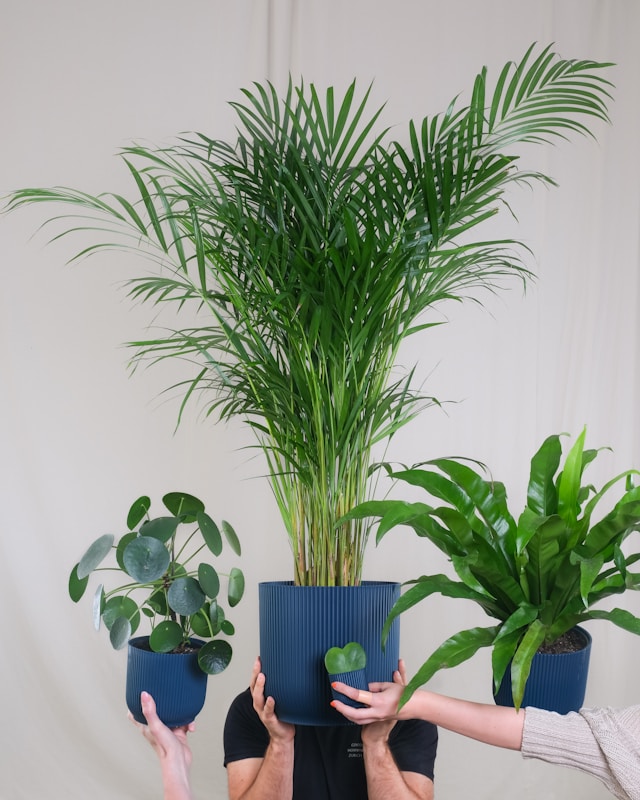
First of all, Most plant lovers add plants indoors simply to enhance aesthetics, change the air quality, and stay mentally refreshed, but some plants are responsible for allergy triggers. If, while caring for plants without any protection, the pollen, sap, and dusty leaves of the plant come into contact with an allergic person, the chances of an allergy trigger increase. Let’s get acquainted with some plants that trigger allergies :
1. Orchids.
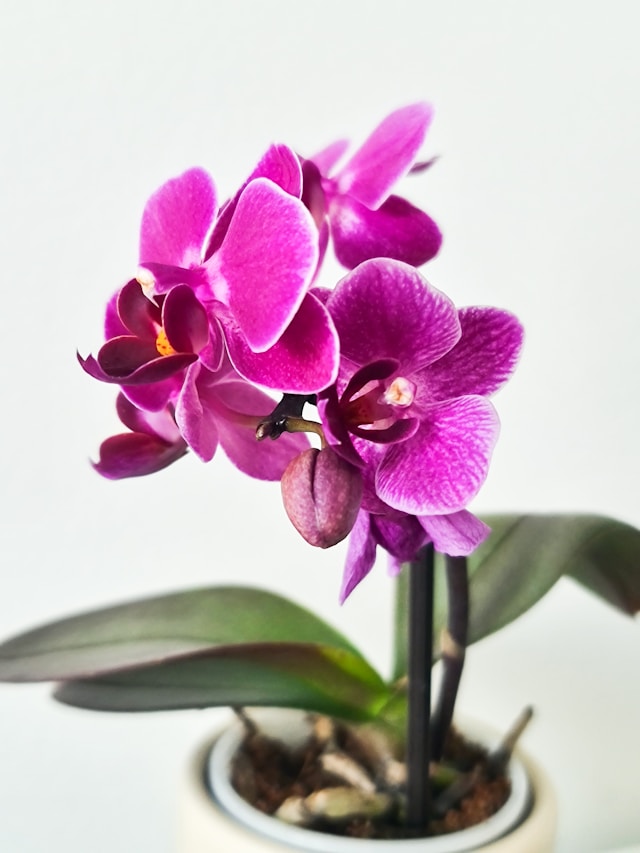
Orchids are a little different from other plants in terms of pollination. Orchids usually have low pollen, but in a slightly damp environment, mold can grow, which can trigger respiratory allergies and cause respiratory problems in affected patients. To avoid this problem, do not allow excess water to accumulate at the base of the plant, and if the base of the plant seems too damp, it should be exposed to sunlight occasionally.
2. Peace Lilies.
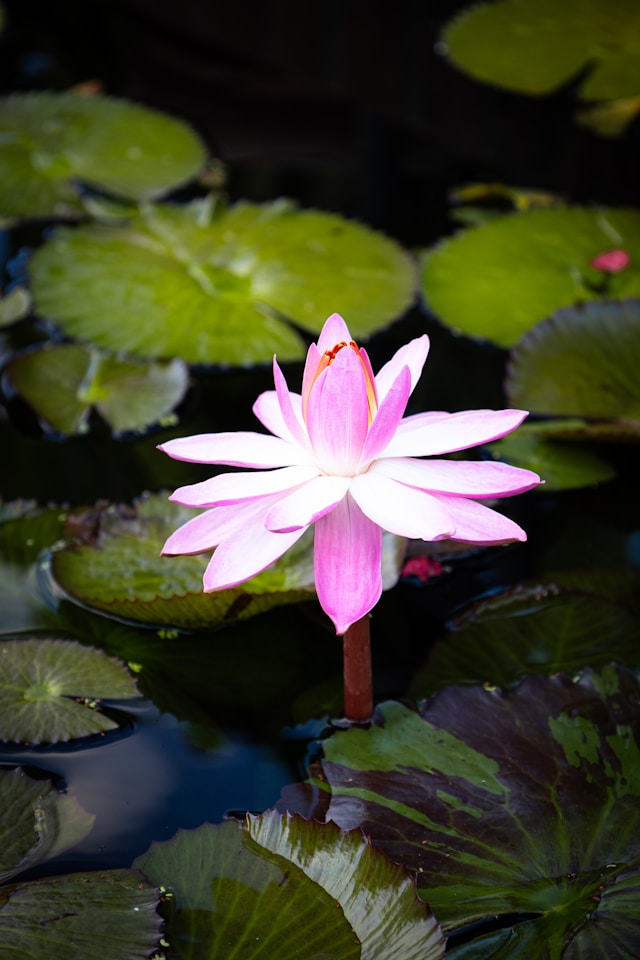
Peace Lilies act as excellent natural air purifiers in polluted cities, add a new aesthetic to the home, and their enchanting beauty refreshes the mind. However, if the plant is not properly watered, mold can form on the surface, and contact with the plant’s sap can cause skin irritation.
3. Ficus.
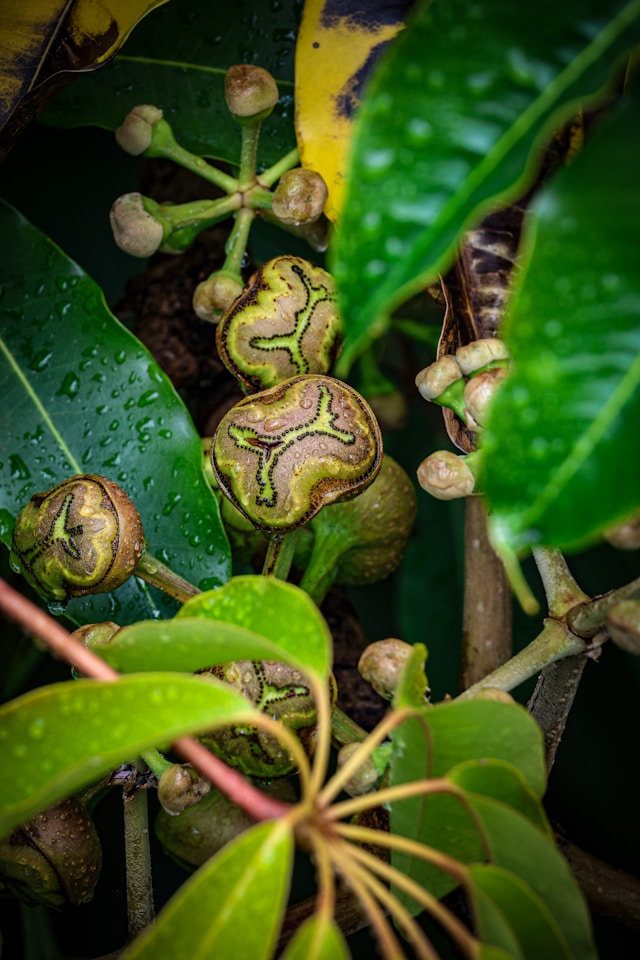
Ficus plants The dark green and colorful pattern of their leaves can cheer up even the most anxious of minds. The leaves of these plants are capable of holding a lot of dust, so it is very dangerous for people with allergies to come into contact with them. Moreover, their sap can cause respiratory problems if it comes into contact with the body.
4. Ferns.
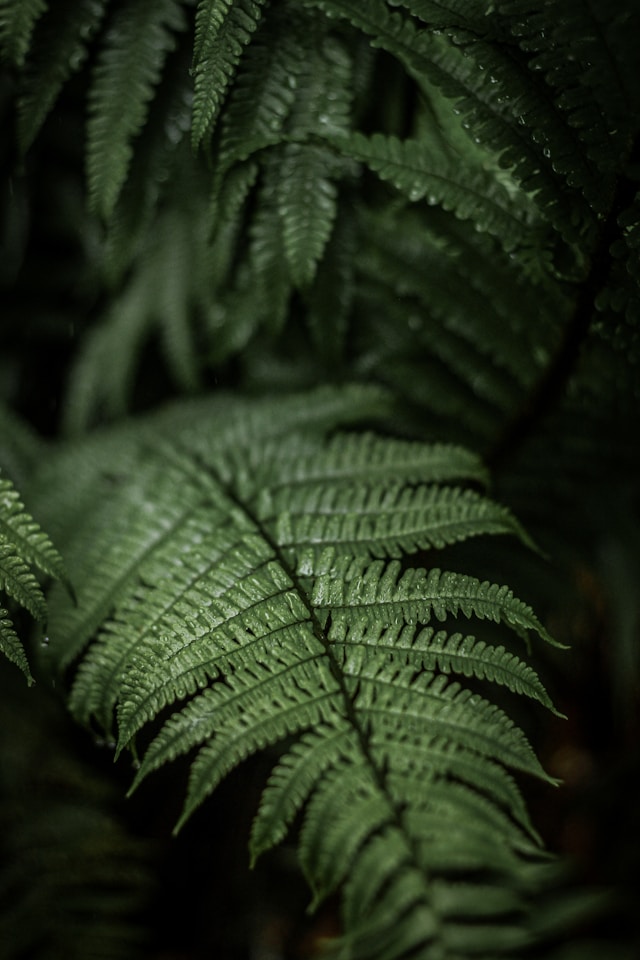
The leaves of fern plants are curved, so they collect a little more dust than other plants. People with allergies can actually get allergic reactions when they touch these plants, and in the end, they can develop serious illnesses like respiratory problems.
5.Chrissy
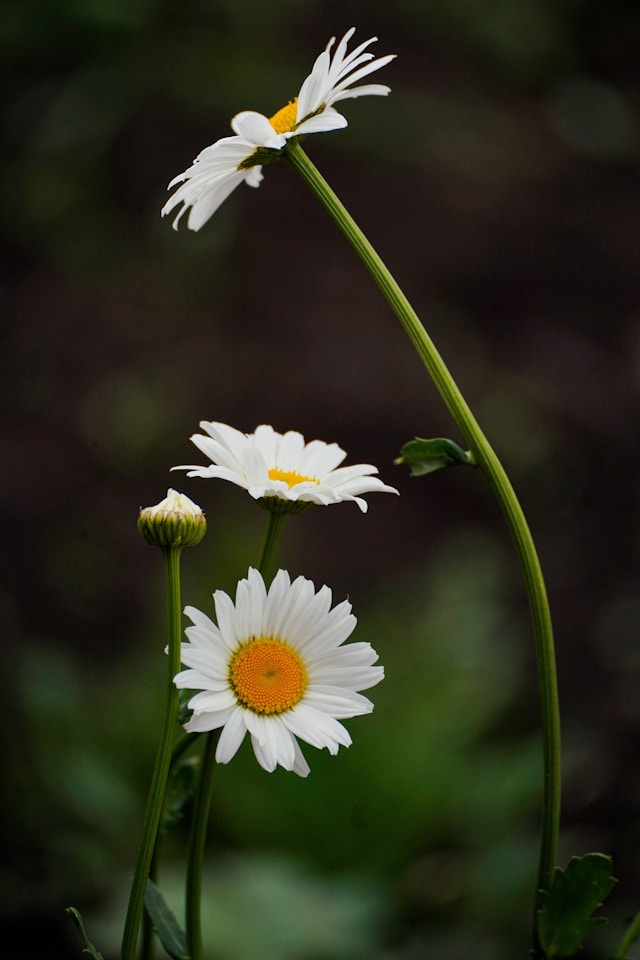
These types of plants have more flowers than leaves, which makes them unusually beautiful in the home. They release pollen, which can trigger allergies in allergy sufferers and cause serious problems like sneezing, coughing, and red eyes.
6. African Violets.
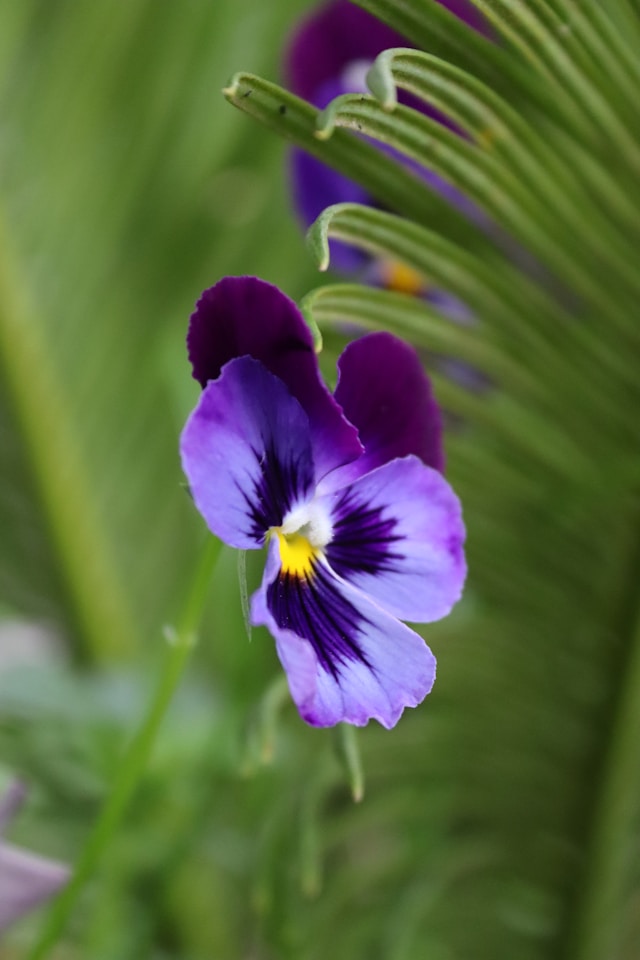
The fuzzy leaves and exotic-looking flowers of this plant easily trap dust particles, which when mixed with the air can trigger allergies in sensitive individuals. In this case, the affected person may experience various respiratory problems, including sneezing and coughing.
7. Pothos
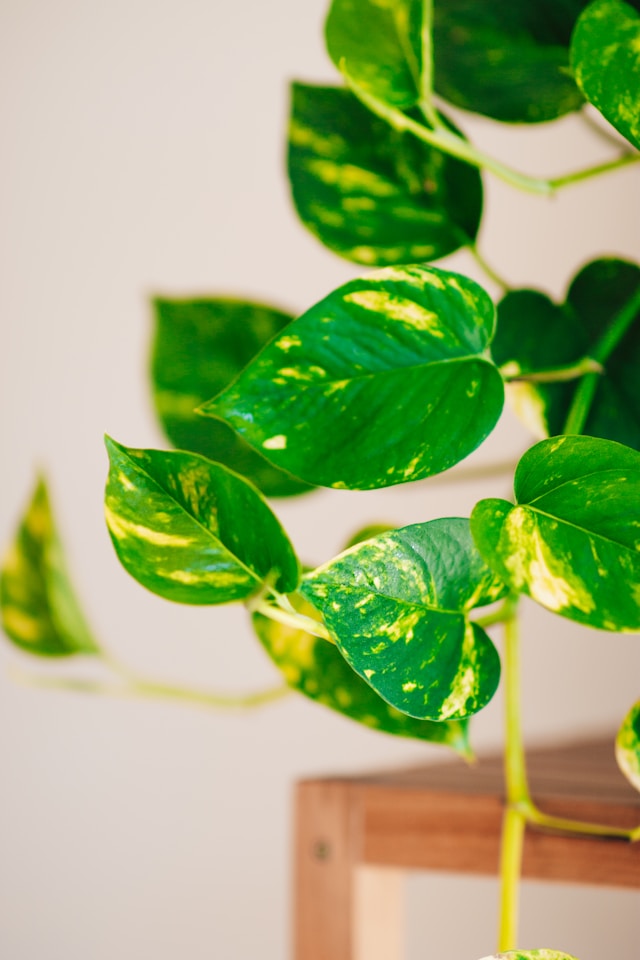
The leaves of the Pothos plant are somewhat large and soft, so they trap excess dust particles in the atmosphere, which can cause itchy eyes, sneezing, and respiratory problems if exposed to an allergic person.
Guidelines for Minimizing Plant Allergies.
There are many people like me who may be suffering from allergy-related problems and are starting their indoor plant journey without knowing that some plants play an important role in allergy triggers. There are also many who, despite knowing this, do not have the courage to add plants indoors due to the fear of allergy triggers. Let’s shed light on how to control allergies by adding plants indoors in an environmentally friendly way :
1. Clean Plants Routinely.
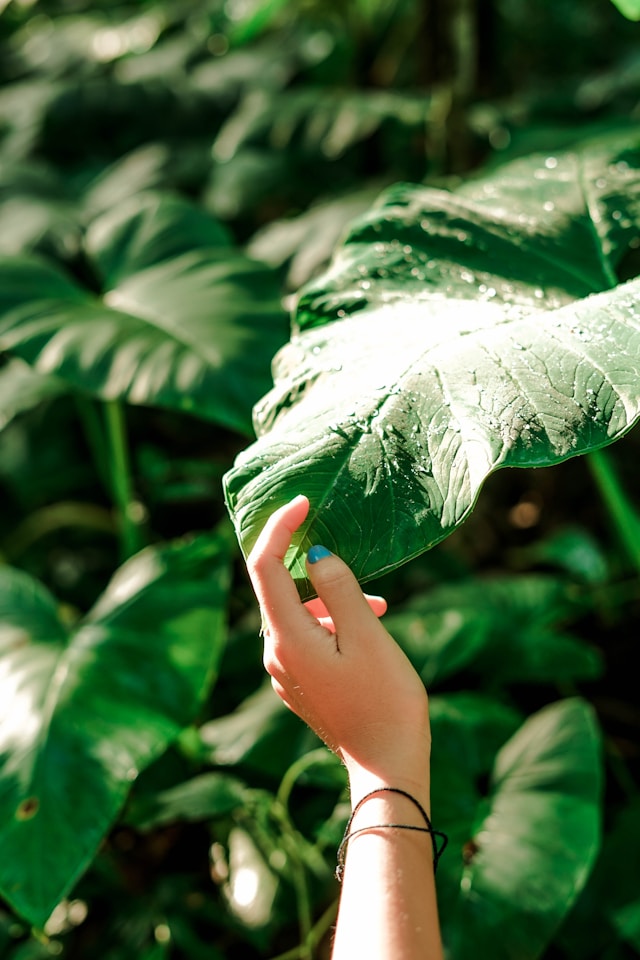
- Follow a routine : If you have a very busy day, you must follow a routine for cleaning your plants, otherwise a layer of dirt may accumulate on the plant’s leaves.
- Use microfiber cloth : First, wipe the dusty plants thoroughly with a disposable microfiber cloth. Then, dip a thin cloth in lukewarm water and gently clean the leaves.
- Use soft brush: Clean plants with large leaves with a soft brush. Remember not to apply excessive pressure to the leaves because of they may break.
2. Choose an Accurate Place.
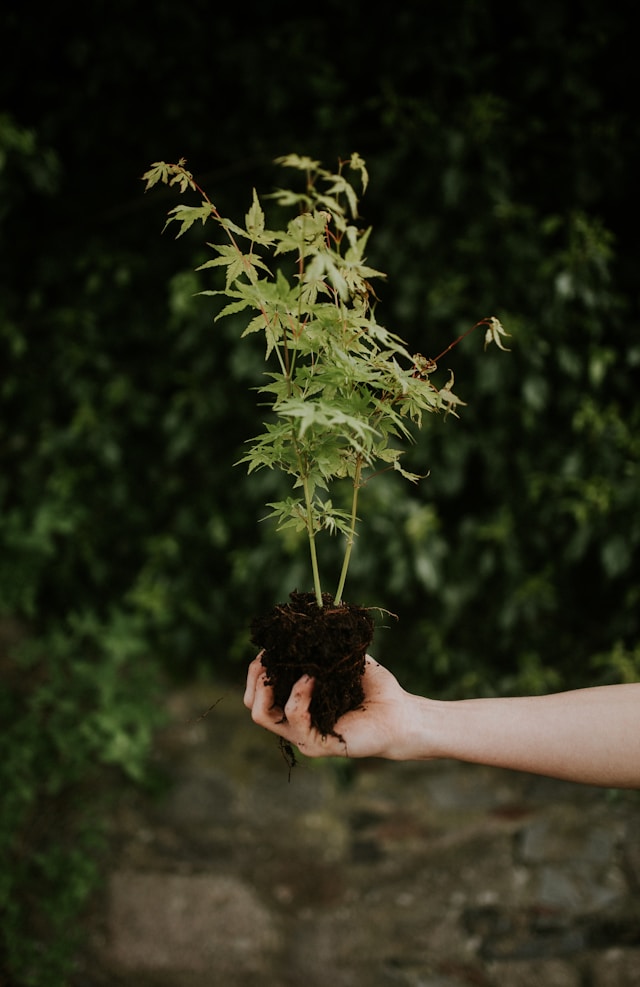
- If you are severely affected by allergies, definitely try to keep indoor plants out of your bedroom as exposure during sleep can increase the risk of respiratory complications.
- Set the plants a little away from high traffic areas so that the plant sap does not inadvertently come into contact with your body and trigger allergies.
3. Select Hypoallergenic Plants.
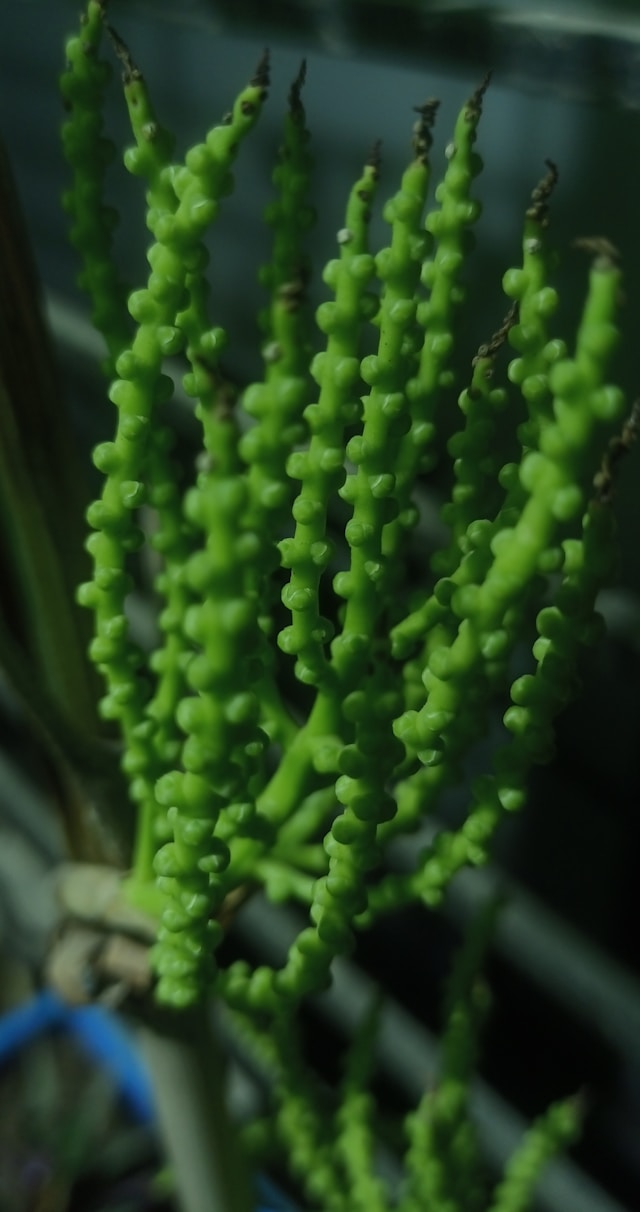
If you have allergy problems, then you must be aware of your health as well as beauty when choosing plants. That means you must select plants that are not allergy-friendly. In this case, it is better to choose plants that have low pollen and act as natural air purifiers.
4. Add an Air Purifier.
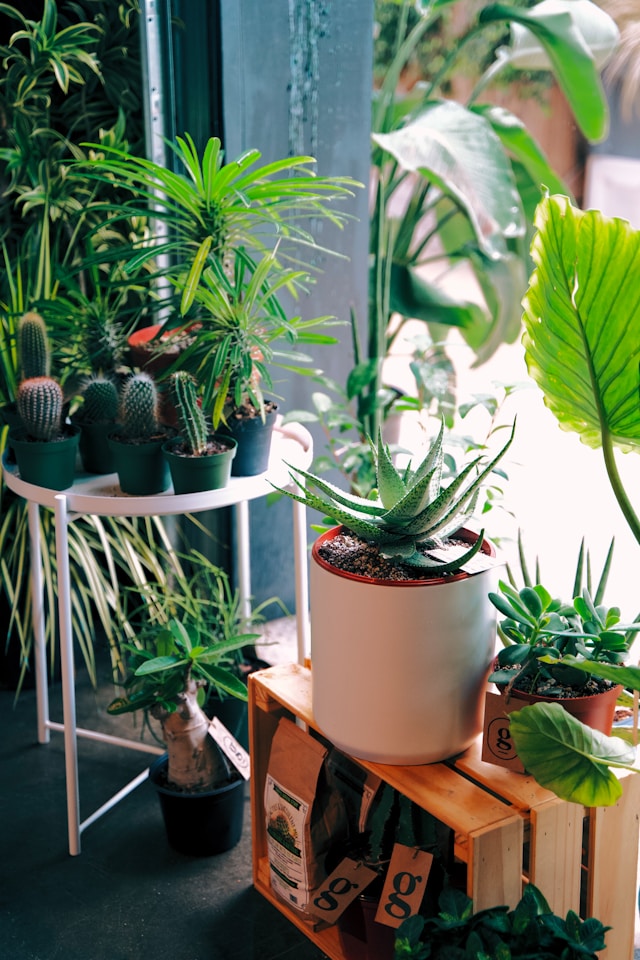
- If adding plants indoors is your favorite hobby and your main goal is to add new aesthetics to the interior, then air purifiers equipped with HEPA filters should be set indoors, which will improve the air quality and provide you with clean air.
- In that case, if you are not interested in investing in an air purifier, you can add natural air purifying plants indoors that purify the air while enhancing the interior beauty. If you want to know more details, You can click on the depth Guide.
5. Maintain Proper Hygiene.

When you are preparing for any kind of plant care, you must wear hand gloves and a face mask for your safety. Moreover, if we follow a specific routine for maintenance, then not much dust will accumulate on the plants, which will save us from triggering allergies.
The Benefits of Indoor Plants.
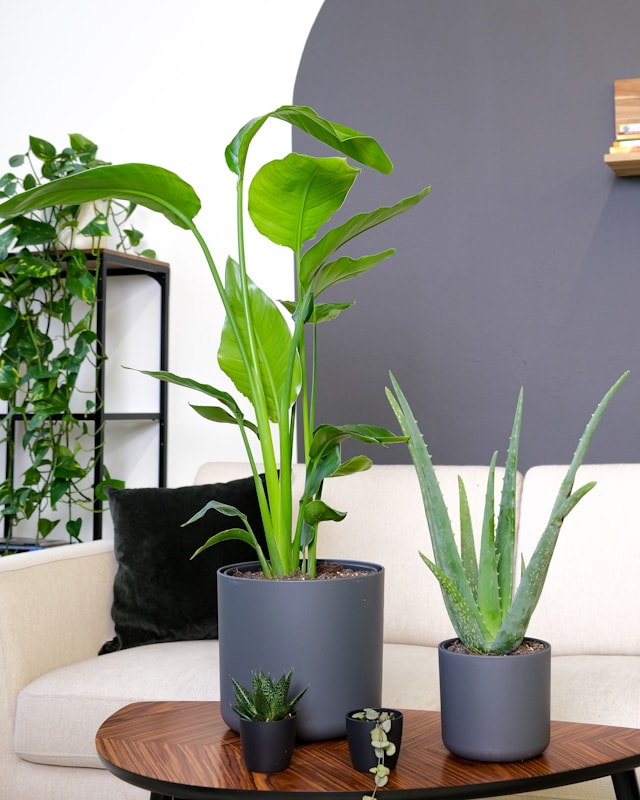
Although many of us suffer from allergy-related problems, one of the causes of which is indoor plants, we can still get rid of allergy problems with proper management and the application of some strategies. Below is a discussion of the real benefits that indoor plants provide to us despite allergies :
Add Extra Aesthetics.
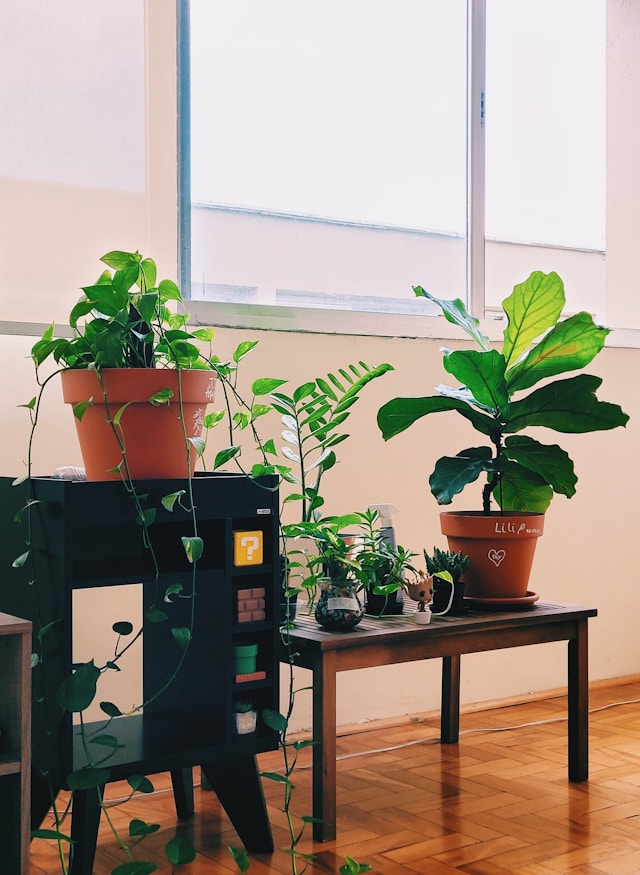
Indoor plants not only prevent allergies in our bodies but also add new aesthetics to our homes that attract our guests, improve our mood, and create a lively environment for us. Moreover, those of us who love nature and want to be close to nature can find a touch of nature within ourselves by adding plants to our interiors.
Increase Air Quality.

Since most of us live in urban centers and dusty cities, there is no alternative to adding beneficial plants indoors to improve indoor air quality. There are many beneficial plants that, in addition to enhancing the beauty of the interior, absorb harmful toxins from the atmosphere and provide oxygen to the air, which is essential for the survival of animals.
Hence, Although some indoor plants can cause allergies, they can enhance the beauty of the interior, regulate humidity, and promote mental peace. In this case, we must show some intelligence in selecting plants that will also beautify our indoor environment and keep us healthy and vibrant.
Moreover, we need to take some precautions when caring for plants so that the pollen or sap of the plant does not come into contact with our body and trigger our allergies.
Share This Post
About the Author
Shahinur Alam
Shahinur has been actively taking care of hundreds of houseplants both inside and outside the house and workplace for the last three years. Additionally, he is constantly joyfully sharing her newfound knowledge with her plant-loving family, friends, and internet contacts. Additionally, he incorporates his own experiences into every GoGreenDecor piece.

About the Author

Shahinur Alam
Shahinur has been actively taking care of hundreds of houseplants both inside and outside the house and workplace for the last three years. Additionally, he is constantly joyfully sharing her newfound knowledge with her plant-loving family, friends, and internet contacts. Additionally, he incorporates his own experiences into every GoGreenDecor piece.